Community mural ideas · Kansas City
Community Murals in Kansas City: Ideas for Welcoming, Place-Based Walls
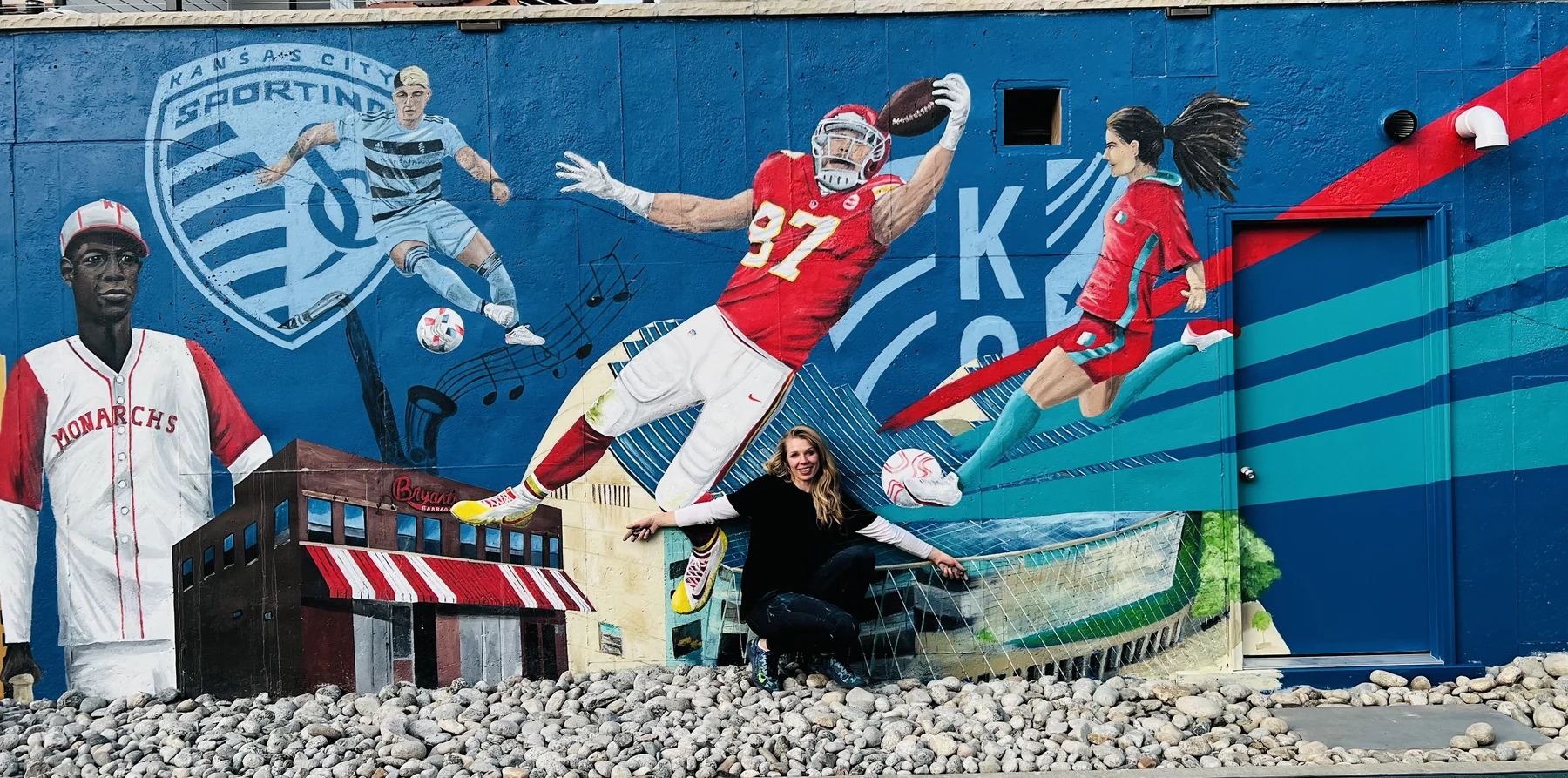
A community mural can give a Kansas City business, organization, or shared space a visual way to welcome people and express what matters there. The most durable concepts begin with the wall, the audience, and a real connection to the place rather than a short-term campaign.
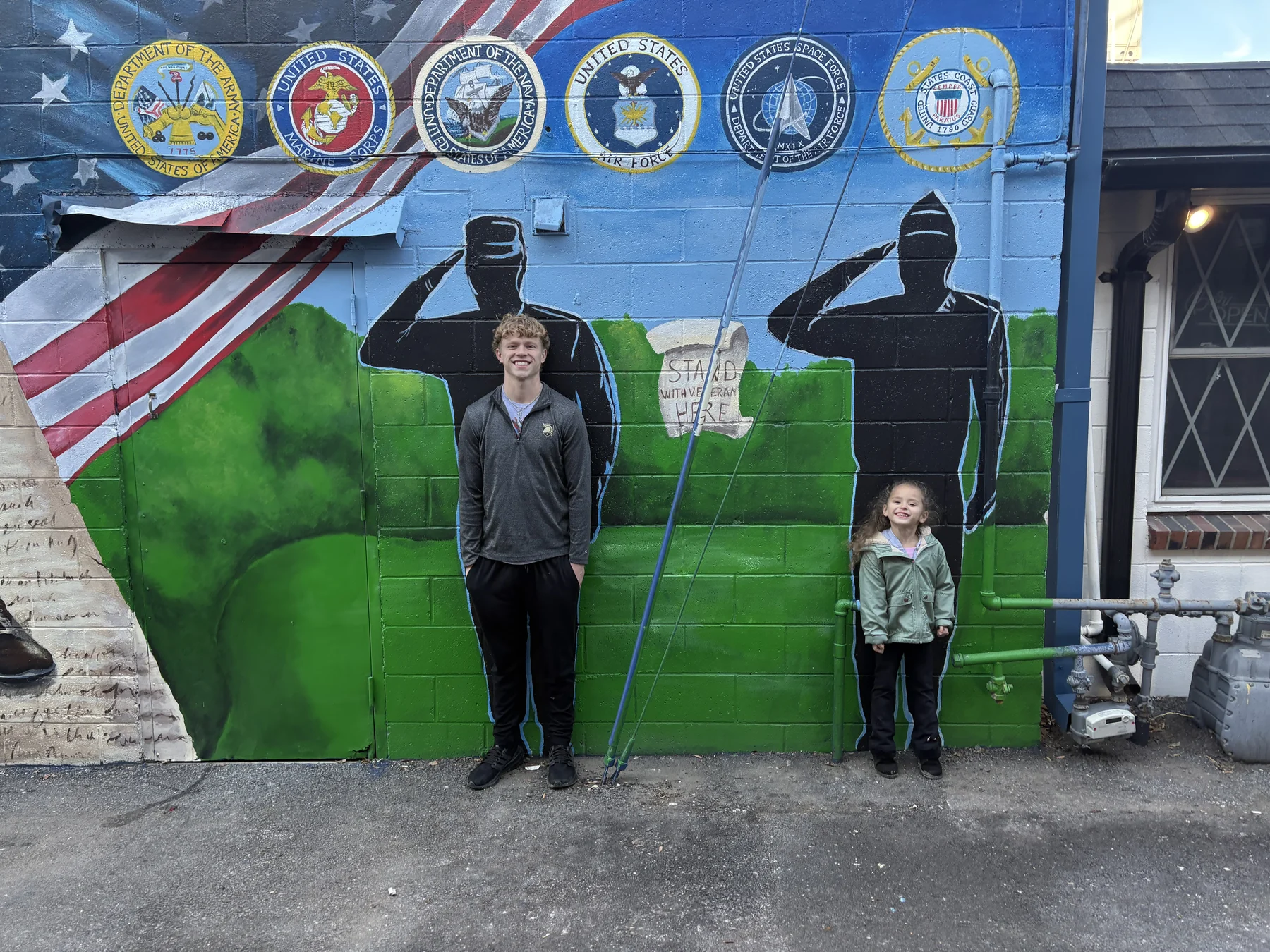
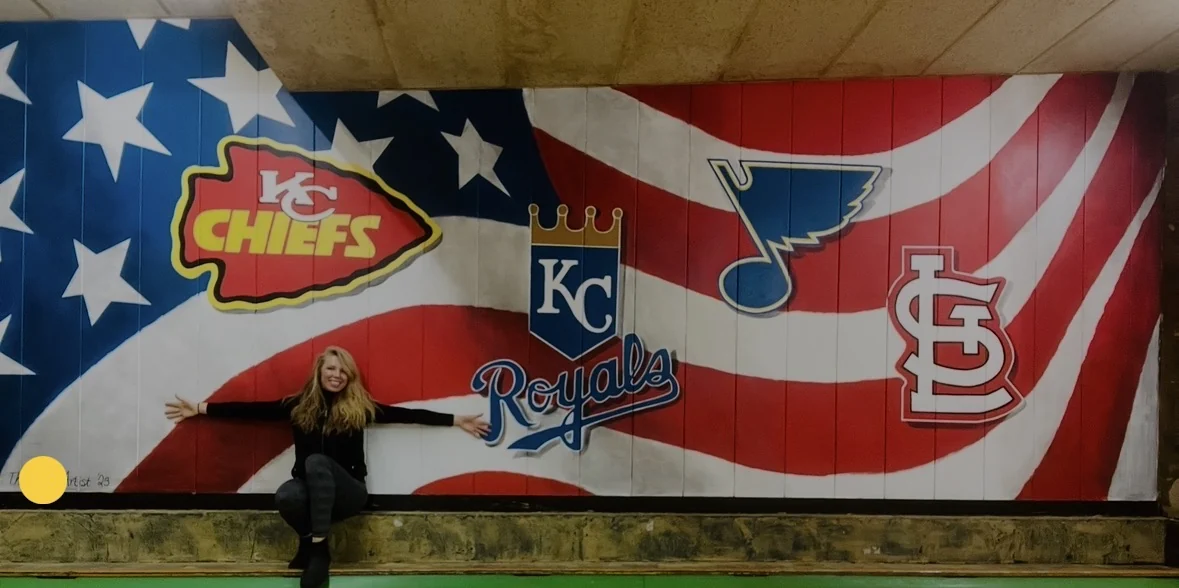
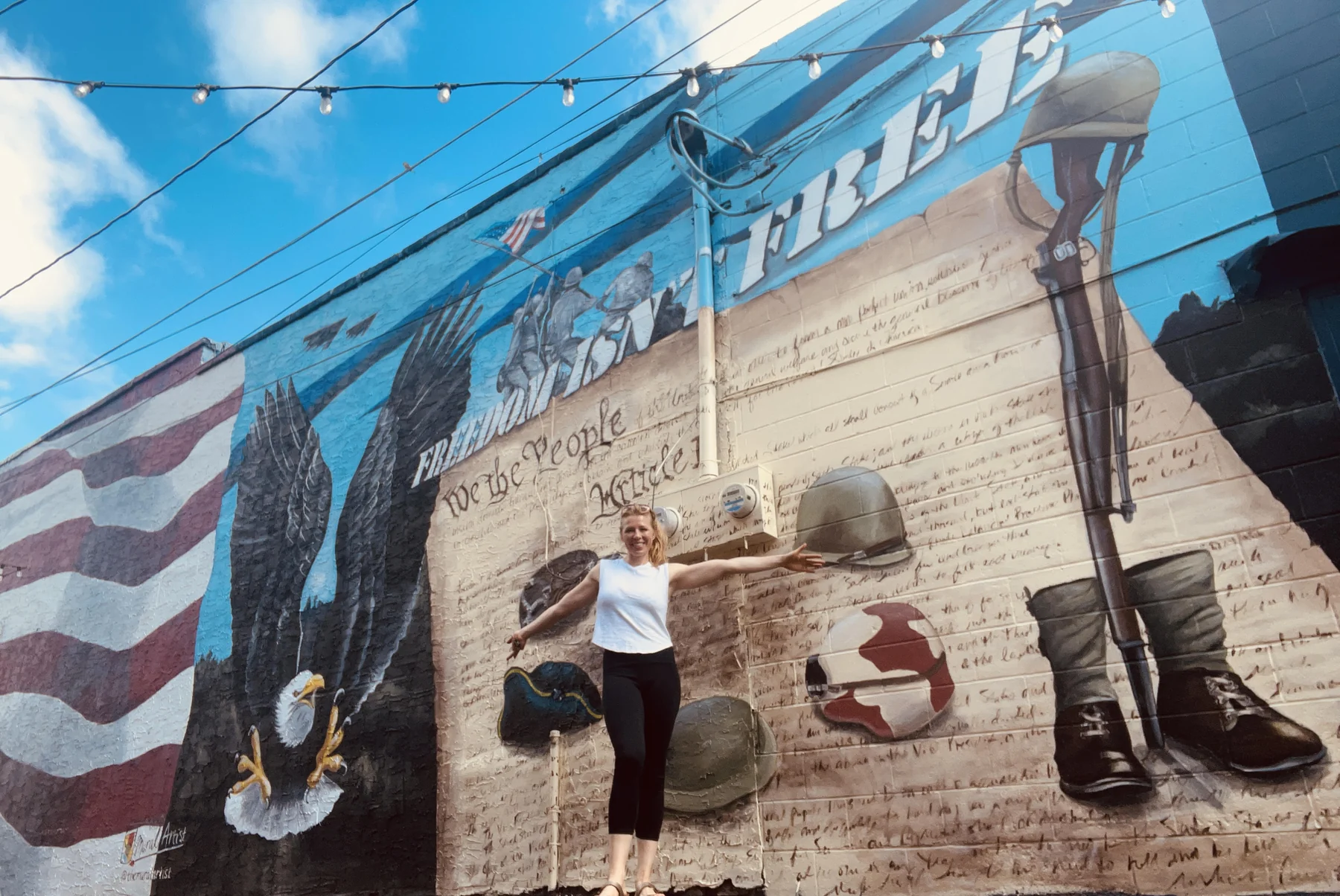
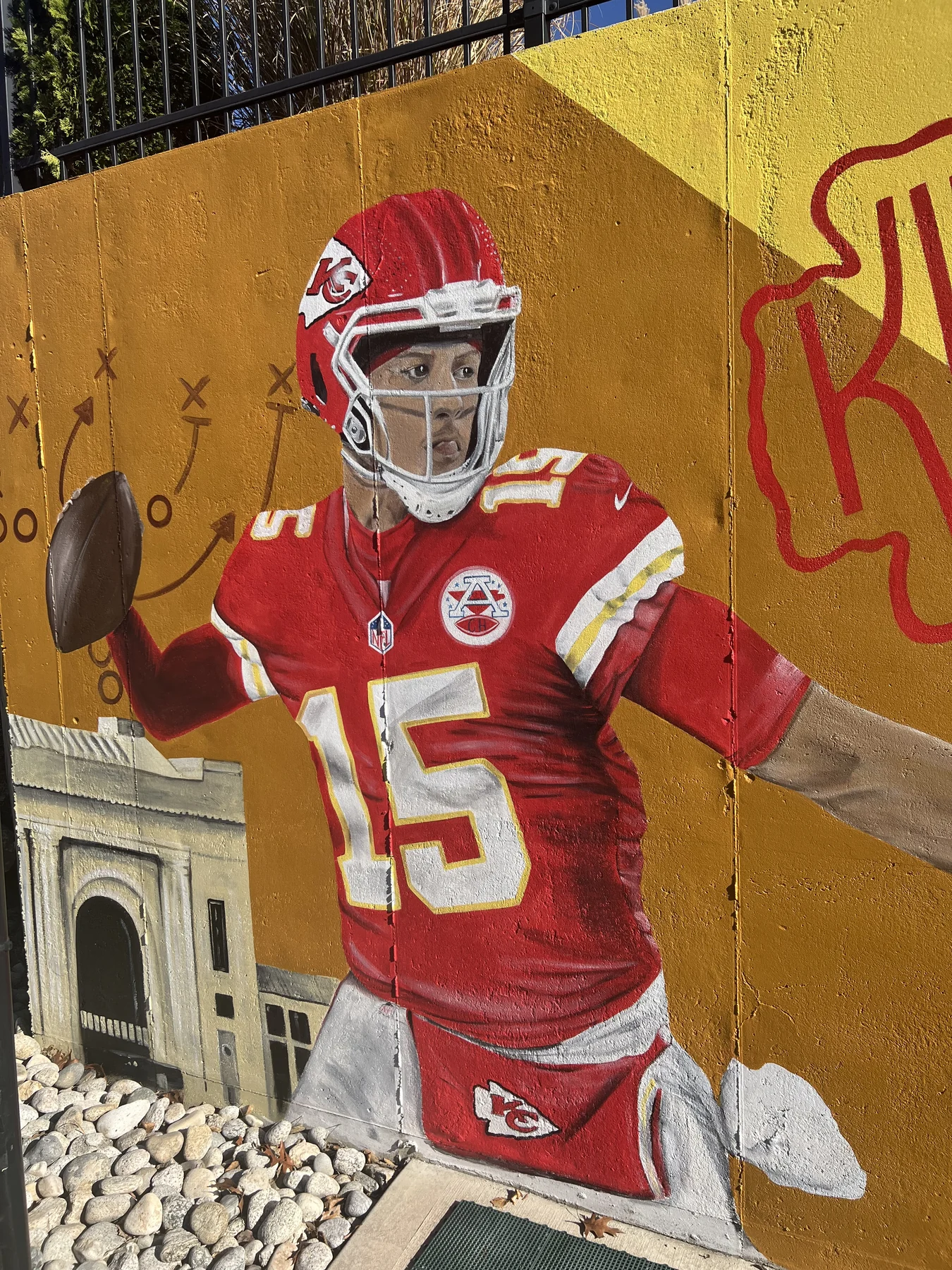
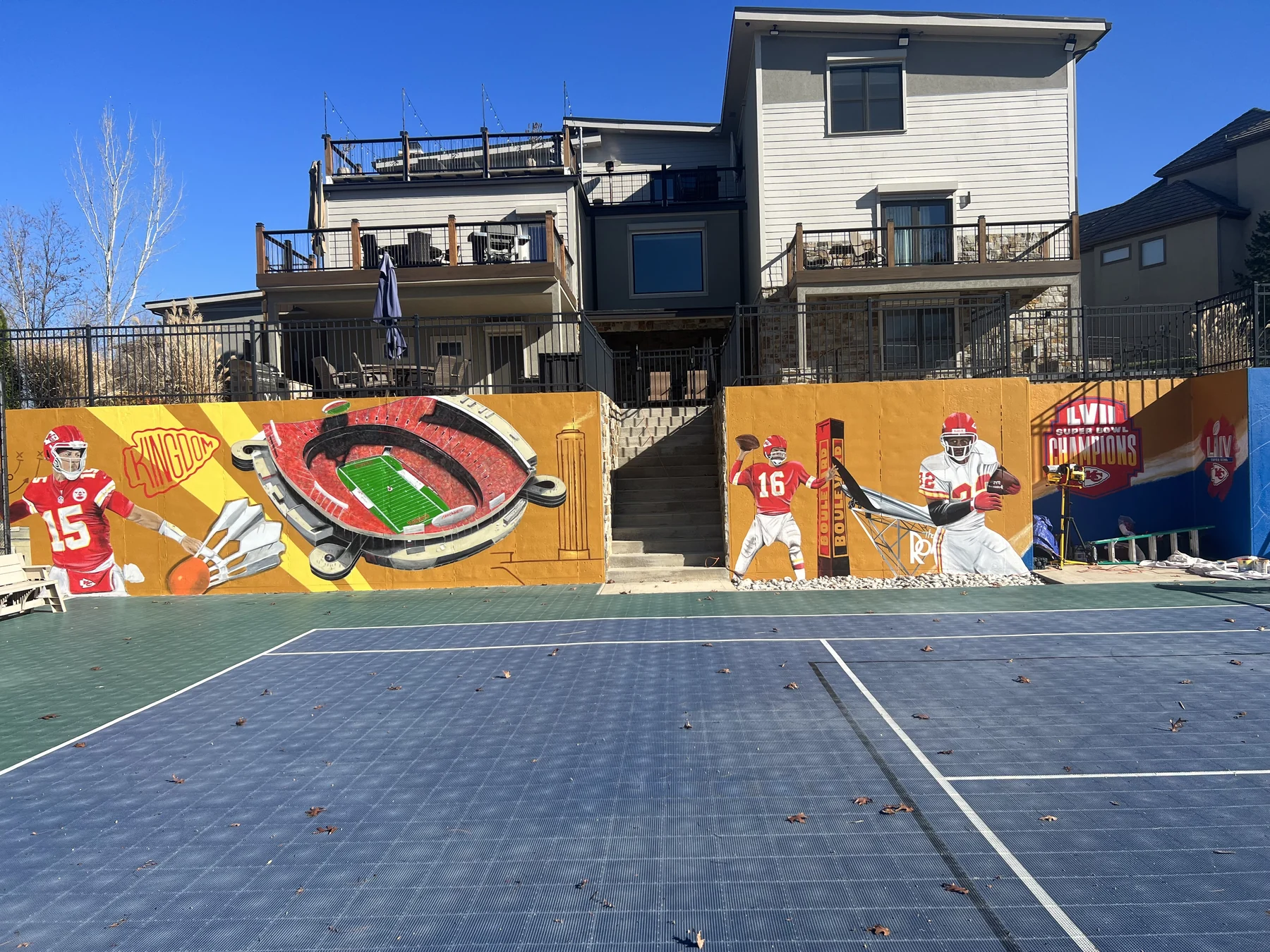
A welcoming wall begins with the people who use it
Community murals are not one visual style. They are hand-painted walls developed around the people, history, purpose, or shared experience of a place. A restaurant, school, neighborhood organization, office, recreation setting, or public-facing business may each need a different kind of welcome.
The strongest concept is specific without relying on a temporary event or generic slogan. It gives people who belong in the space something they recognize, while making newcomers feel invited into the story.
What makes a Kansas City mural feel rooted rather than generic?
A place-based concept can draw from a neighborhood’s visual character, a building’s history, local sports and cultural references, a community organization’s mission, or the everyday people who use the space. The reference should have a reason to be there and a clear relationship to the wall.
Early conversations are a good time to identify which stories, symbols, or colors are meaningful and which should be avoided. If a design includes logos, protected marks, or other owned visual material, permissions and appropriate use should be considered before the concept is finalized.
Where community murals can work
Exterior walls, entries, patios, lobbies, hallways, gathering rooms, school spaces, storefronts, and shared work areas can all become a setting for place-based artwork. The right location is one where the scale, visibility, circulation, and surface condition support the intended experience.
A long wall may work as a sequence of connected moments. A smaller wall may be more effective with one strong focal point. Site photos help determine which approach makes sense.
When interactive elements add value
An interactive component can make sense when the wall gives visitors an obvious and useful way to take part. A pose point, a scene that frames a person, or an illustrated object that invites a photograph can make participation feel natural.
The mural should still be visually complete when no one is standing in front of it. Participation is an option within the experience, not a substitute for a strong composition.
Planning a community or culture-focused mural
Begin with a clear purpose: welcome visitors, recognize a shared story, make a gathering space feel more personal, or create a landmark for people who use the building. Then review the wall size, condition, material, access, visibility, and the people who will see it most often.
For exterior sites, paint and surface preparation are planned around the wall and exposure. For active facilities, painting access, visitor safety, and the operating schedule can shape how the work is staged.
What affects the investment in a community mural
The quote for a custom mural reflects the wall size, design detail, preparation needs, surface type, access, materials, equipment, and site logistics. A detailed, multi-figure composition or a textured exterior wall may need a different approach than a simple interior feature wall.
The most accurate next step is a project conversation built around the real site and the visual direction you want to develop.
How to start a Kansas City mural conversation
Share wall photos, approximate dimensions, the location, how the space is used, who the mural is for, and the goals or visual references that matter to the project. If you are working with a committee, gathering those points in one place makes the next conversation more useful.
From there, the artwork can be developed around the site and audience rather than adapted from a one-size-fits-all concept.
Questions about this project
What is a community mural?
A community mural is a hand-painted wall developed around a shared place, story, purpose, or audience. It can serve a business, school, organization, neighborhood setting, or other public-facing space.
Can a Kansas City mural include local history or cultural references?
Yes. A concept can be shaped around meaningful local references when they fit the space and the people who use it. The design conversation should identify what is relevant, respectful, and practical for the finished wall.
Can a mural include team logos or protected marks?
Logo use, trademarks, and other owned visual material should be considered before the design is finalized. The project conversation can identify which references need permission or an alternative approach.
What surfaces can be painted for a community mural?
Brick, concrete, drywall, wood, metal, and other surfaces can be considered. The material plan depends on the surface condition, location, exposure, and the preparation required for the individual wall.
Can a community mural be interactive?
It can. A pose point, photo moment, or other participatory element can be planned when it fits the wall and the visitor experience. The mural should remain a complete composition even when no one is interacting with it.
How do we begin a community mural project in Kansas City?
Start with wall photos, approximate dimensions, location, the intended audience, a project goal, timing, and relevant visual references. Those details make it possible to discuss a practical concept and quote path.