Interactive murals · Grand Rapids & West Michigan
Interactive Murals for Grand Rapids Spaces: Plan a Wall People Want to Use
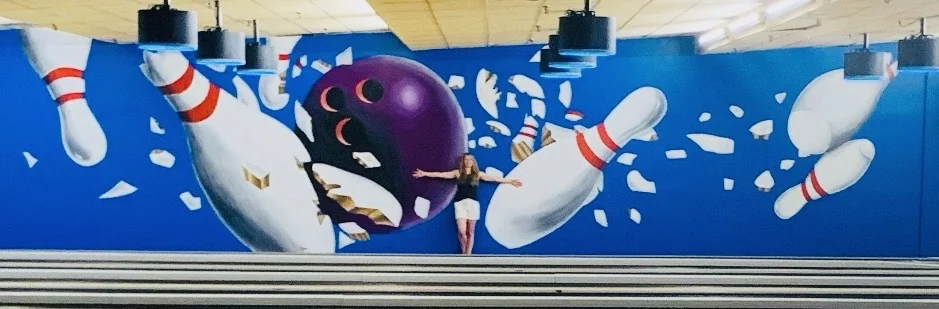
An interactive mural is a hand-painted wall designed around participation. It can invite visitors to pose, step into a scene, follow a visual prompt, or connect a physical space to a useful next action. For Grand Rapids and West Michigan projects, the conversation begins with the wall, audience, timing, and on-site logistics.
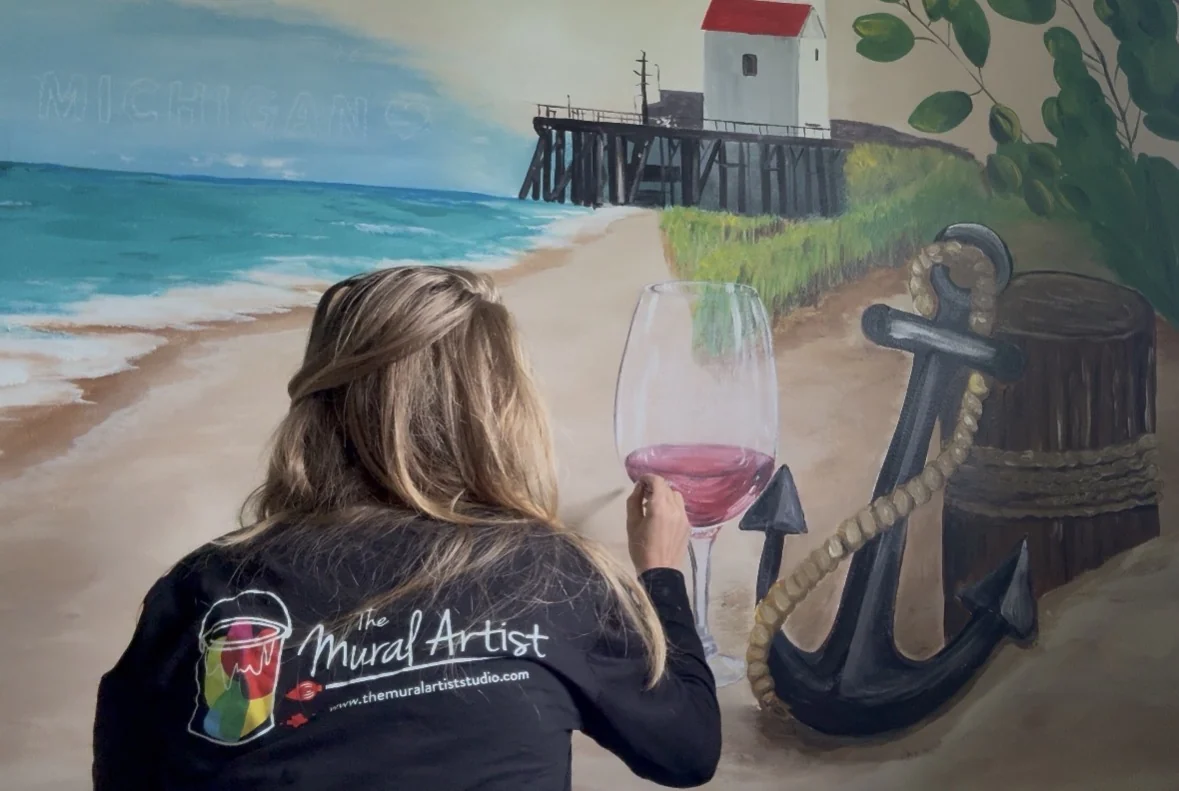
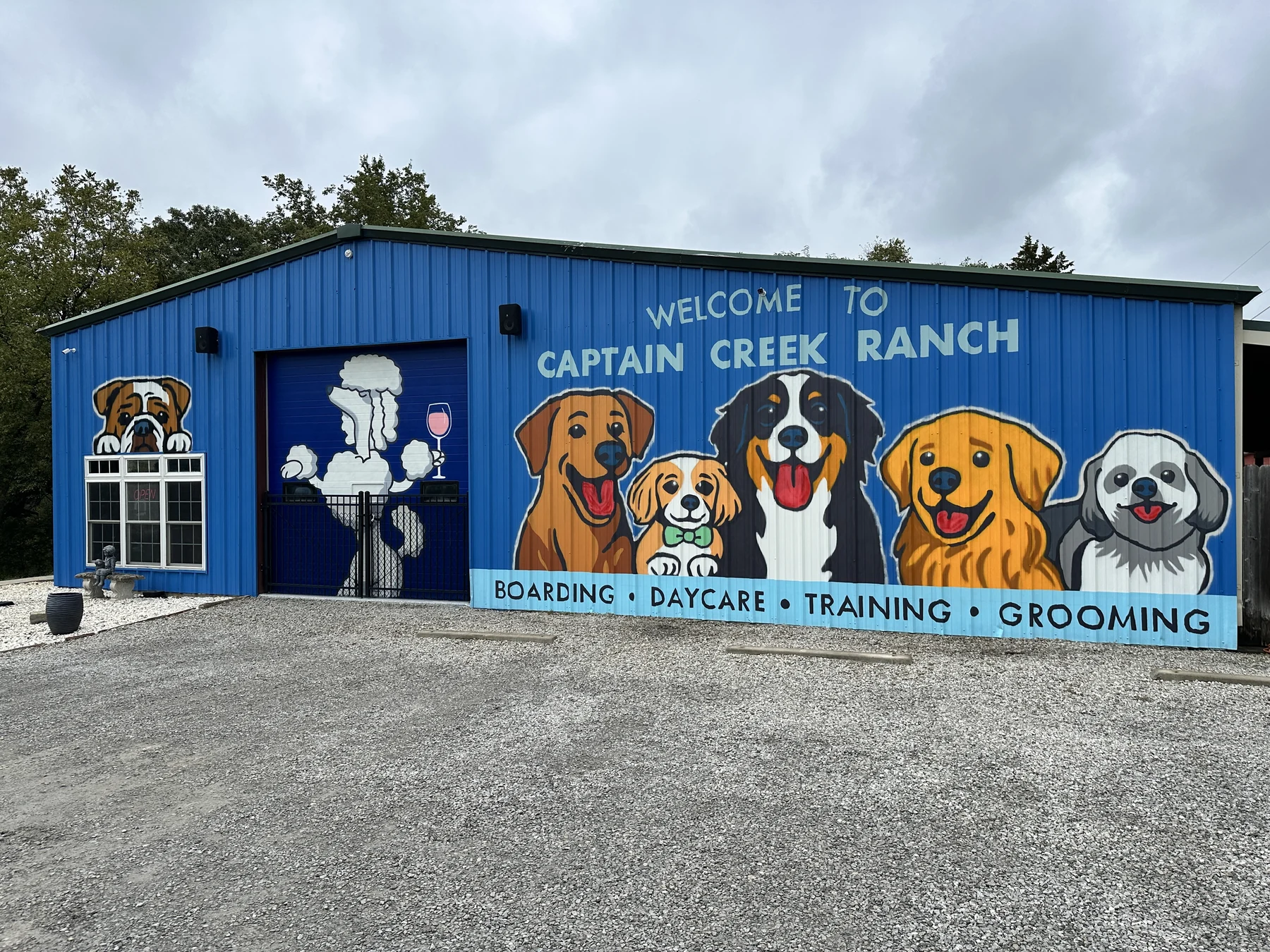
What makes a mural interactive?
A traditional mural is primarily made to be viewed. An interactive mural is planned around what someone can do when they encounter it. The artwork may create a pose point, a forced-perspective scene, a photo backdrop, a visual prompt, or a link between the wall and a useful digital destination.
The goal is not to add interaction for its own sake. The most useful ideas make sense for the people who use the space, the way they move through it, and the story the wall should tell.
Start with the wall and the visitor
A productive first conversation identifies the wall, its approximate dimensions, whether it is indoors or outdoors, and how visitors arrive at or move past it. A restaurant entry, a waiting area, a patio, a retail wall, a school hallway, and an event venue each create different opportunities for a mural.
It also helps to define the intended visitor action. Should someone stand in a particular spot, pose beside a painted element, follow a visual line, scan a code, or simply pause for a photograph? A clear action gives the composition a practical purpose.
How to choose a wall for an interactive mural
Visibility, lighting, safe circulation, and available viewing distance matter as much as the illustration. A wall that is hard to find, poorly lit, blocked by furniture, or too narrow for the intended interaction may need a different concept than a street-facing exterior or an open interior feature wall.
Photographs of the space are useful early in the process. They help assess wall features, doors, windows, outlets, texture, nearby traffic, and the amount of room people have to step back from the artwork.
Interactive mural ideas for customer-facing spaces
A photo-friendly concept might use a central pose area, an oversized object, an illusion of depth, a character or scene that frames the visitor, or a brand story that unfolds across the wall. For schools and shared organizations, the interaction may be quieter: a place to gather, a visual learning moment, or an artwork that represents the people who use the building.
A QR code or other digital element can be considered when it leads to something genuinely useful, such as a menu, map, event information, story, or accessibility resource. The code needs strong contrast, reliable placement, and a destination that can be maintained after the paint is complete.
Design details that make photos easier
Clear shapes, thoughtful contrast, a deliberate focal point, and enough negative space can help a mural read well in a photograph. Brand colors and visual references can be included when they support the scene instead of overwhelming it.
The design should also work for the wall in person. A mural is experienced at different distances, in changing light, and by people with different heights and mobility needs. Those conditions guide scale, placement, and the level of detail.
What affects an interactive mural quote?
A project-specific quote reflects the wall size, surface condition, design detail, interior or exterior conditions, access, material plan, protective finish needs, and any equipment or site coordination required. The intended interaction also affects the composition and planning time.
For Grand Rapids and other West Michigan inquiries, travel and on-site logistics are discussed with the scope. Availability is assessed project by project rather than promised for a predefined service area.
How to prepare for a useful mural conversation
Bring a few wall photos, approximate dimensions, the project location, a description of who uses the space, timing considerations, and examples of the feeling or visual direction you want. Those details make it easier to recommend a practical next step and determine whether the concept fits the site.
If the wall already has an older mural or finish, include a close photo of its condition. Restoration, repainting, and a new interactive concept can require different preparation and material choices.
Questions about this project
What is an interactive mural?
An interactive mural is a hand-painted wall designed for participation. It may invite someone to pose, step into a scene, follow a visual prompt, scan a useful code, or become part of the composition in a photograph.
Where do interactive murals work best?
They work best where people naturally pause and have enough room to see the artwork: entries, patios, lobbies, waiting areas, halls, retail spaces, event venues, and visible exterior walls are common starting points. The specific wall and traffic pattern determine the best approach.
Can an interactive mural include a QR code or digital link?
It can, provided the link leads to something useful and the code is planned for visibility, contrast, and maintenance. A code might connect to a menu, map, event page, story, or accessibility resource.
How much does an interactive mural cost?
Cost is project specific. Wall size, surface preparation, design detail, access, materials, protective finishes, equipment, and location all affect a custom quote. Sharing wall photos and approximate dimensions is the best way to begin a useful estimate conversation.
Can an exterior interactive mural hold up to changing weather?
Exterior material choices depend on the surface, exposure, climate, and the condition of the wall. Primer, durable paint, and a suitable protective finish can be considered when the site calls for them.
Do you serve Grand Rapids and West Michigan?
Grand Rapids and West Michigan projects can be discussed subject to scope, timing, travel, and site logistics. The studio does not represent a physical West Michigan office or guarantee coverage for every location.