Planning & pricing · Kansas City
How to commission a commercial mural in Kansas City
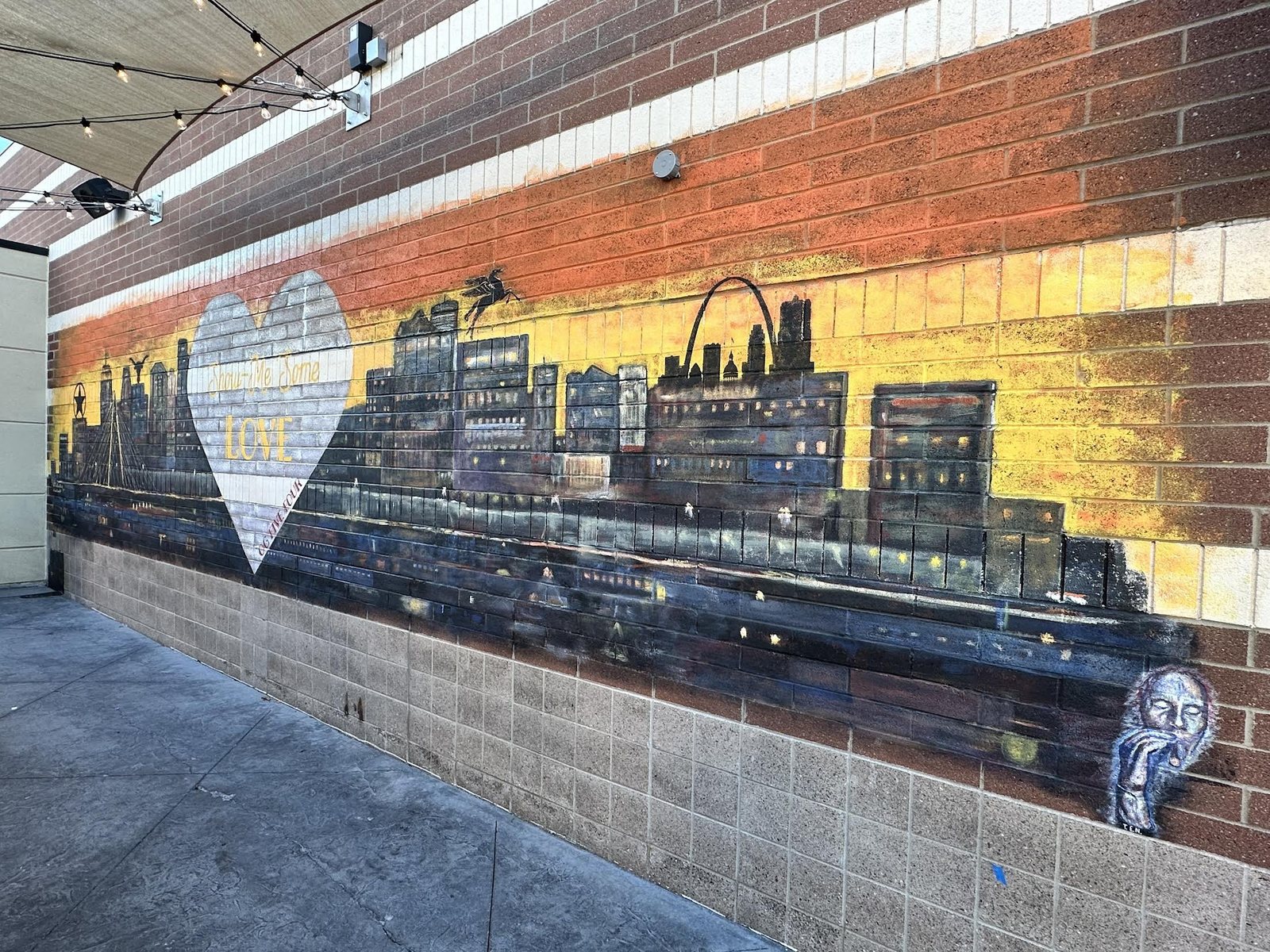
Commissioning a commercial mural begins with the wall, the people who will see it, and the job it needs to do in the space. You do not need a finished design before reaching out. Clear photos, approximate dimensions, the project location, and a short description of your goals are enough to start a useful conversation.
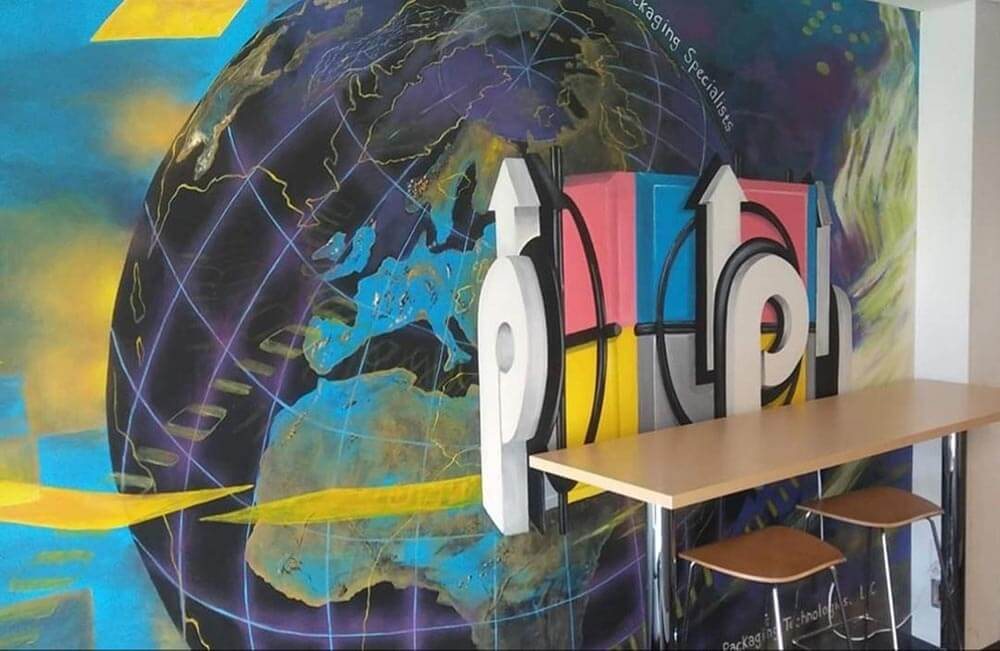
Start with the purpose of the wall
A mural works best when it has a clear role. A storefront wall may need to create a stronger arrival. An office mural may need to bring more character to a shared space. A restaurant or hospitality wall may set the tone as guests enter, wait, sit, or gather. A school or community organization may want artwork that reflects the people who use the space every day.
Before collecting visual references, write a few sentences about what the wall should help visitors notice, understand, or feel. It can be useful to name the audience, too. Is the wall for customers, staff, students, residents, guests, or a mix of people? Those answers help shape the scale, subject matter, composition, and placement.
If your project is in Kansas City, the Kansas City murals page offers a useful starting point. If you are considering a project elsewhere, include the location early. Kansas City is the studio’s home base, and projects in other locations can be discussed according to scope, timing, travel, and site logistics.
Choose a wall that fits the project
A strong concept still needs a workable surface. Photograph the wall straight on, then take a few wider images that show the surrounding space. Include doors, windows, outlets, light fixtures, furniture, landscaping, signage, or anything else that affects the paintable area.
Approximate width and height are helpful, even if you do not have exact measurements. Note whether the wall is indoors or outdoors, smooth or textured, ground level or high above the floor, and easy or difficult to access. If there are visible cracks, peeling paint, moisture concerns, older coatings, or surface damage, share that information at the beginning. It helps identify the practical questions that need to be resolved before painting is planned.
For a business that remains open during the work, include details about hours, customer flow, parking, loading, entry rules, and any site restrictions. These details affect how the project can be organized around the real use of the space.
Gather visual direction without trying to design the mural yourself
You do not need to arrive with a finished concept. References are useful when they explain what you respond to: a color palette, the amount of detail, the energy of the composition, a subject, a type treatment, or the way art relates to a room.
For a branded project, send approved logo files, brand colors, brand guidelines, and any required wording. Also note what should not appear in the finished work. That can be as useful as a list of must-haves.
The artist can then develop a direction that fits the architecture and the purpose of the wall. A mural can reflect a brand without reading like a large advertisement. Browse the Gallery and Custom Mural Services pages to see the range of conversations the studio can support.
Confirm approvals and site responsibilities early
A mural project can involve more than the person who first has the idea. A leased space may need property-owner approval. A larger exterior wall may have site rules, equipment needs, or local requirements that should be checked before a final plan is made. A business with several stakeholders may need a clear review process for brand assets or design direction.
It is better to surface those details early. Share the name of the person who can approve work at the property, any opening or event dates that matter, and questions you already have about access or permissions. If local permits or building requirements may apply, confirm them with the property owner and the relevant authority. The requirements vary by location and project, so they should not be assumed.
What to include in a commercial mural inquiry
A useful first inquiry does not have to answer every project question. It should give Melissa enough context to understand the space and identify the next conversation.
The Kansas City mural pricing guide explains why a quote is based on the actual wall, design direction, surface condition, access, materials, and project logistics rather than a generic rate.
- A straight-on photo of the full wall and a few images of the surrounding space.
- Approximate width and height, plus anything that interrupts the paintable area.
- The project location and whether the wall is indoors or outdoors.
- A short description of the business, organization, or setting.
- What you want the artwork to do in the space.
- Any timing that matters, such as an opening, renovation, campaign, or event.
- Brand assets, visual references, or examples of colors and styles that feel relevant.
- Notes about access, approvals, operations, or property conditions.
- An optional budget range, if you have one.
Start with the wall and the purpose
Bring the details you have now.
Send wall photos, approximate dimensions, location, goals, timing, and visual references. That is enough to begin a useful project conversation.
Questions about this project
Do I need a finished mural idea before I ask for a quote?
No. A clear goal, wall photos, approximate dimensions, location, and a few references are enough to begin. The first conversation can help identify what needs to be defined next.
Can a commercial mural include our logo and brand colors?
Yes. Approved logos, colors, and brand elements can inform the concept. Share the files and usage requirements early so the design conversation starts with accurate material.
What wall photos are most useful?
Send a full straight-on image, close-ups that show the surface, and wider views that show nearby doors, windows, furniture, landscaping, access, or other relevant conditions.
Can you paint a mural on an exterior business wall?
Exterior walls can be discussed after reviewing the surface, exposure, access, property approval, and other site conditions. A photo review is a practical first step.
Who is responsible for property approval or permits?
Requirements depend on the property and location. Confirm the necessary permissions with the owner and the appropriate local authority, then include any relevant requirements in the project conversation.
Can I discuss a mural outside Kansas City?
Yes. Kansas City is the studio’s home base. Projects in other locations can be discussed when scope, timing, travel, and site logistics are a fit.